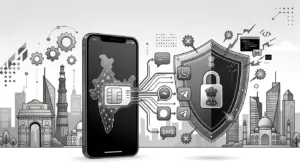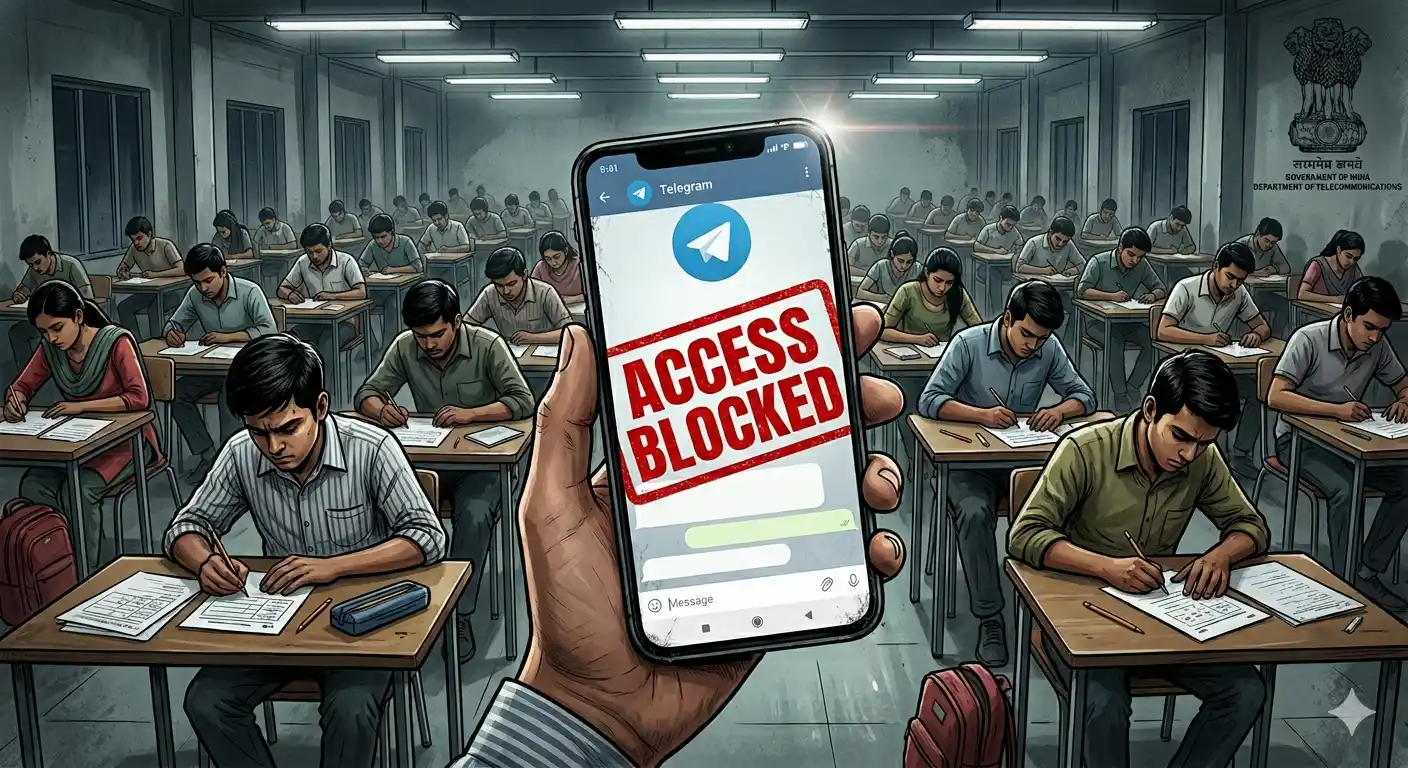
India just put a short-term ban on one of the world’s most popular messaging apps. On Tuesday, India’s National Testing Agency ordered a nationwide block on Telegram, set to last until June 22nd. The ban is directly tied to the upcoming re-test of NEET (UG) — the National Eligibility Entrance Test for undergraduate medical admissions — one of the most competitive exams in the country, with millions of students sitting it every year.
The agency says organized cheating networks have been using Telegram to sell fake exam papers and spread misinformation ahead of the re-test scheduled for June 21st. So the response was to shut down access to the app entirely, at least temporarily.
But that’s not all. Officials also want Telegram to disable its message-editing feature until June 30. The argument here is that bad actors have been using the ability to edit messages after sending them to fabricate fake evidence of exam paper leaks — essentially doctoring records to make it look like question papers were circulated before the exam.
The legal basis for the block is Section 69A of India’s Information Technology Act, which gives the government authority to order platforms to take down content or restrict access in the interest of public order.
This ban comes after NEET was hit by a major paper leak scandal last month, which triggered a federal investigation and put the entire exam system under serious scrutiny. The re-test is essentially India’s attempt to reset and restore trust.
Not everyone agrees this approach makes sense, though. The Internet Freedom Foundation, a digital rights group, publicly pushed back and called the move “disproportionate.” They also raised a legal question: does Section 69A actually allow the government to block an entire platform, or only specific pieces of content? Worth noting — at the time the news broke, Telegram was still accessible in India and the editing feature was working normally. India is Telegram’s single largest market by downloads, which makes this one of the most significant restrictions the app has ever faced.
The blockage alone will not stop the leakers from sharing the leaked papers — they will find multiple ways to function, but as a government, they should find the real culprits behind this incident, bring them in front of the judiciary, and punish them.