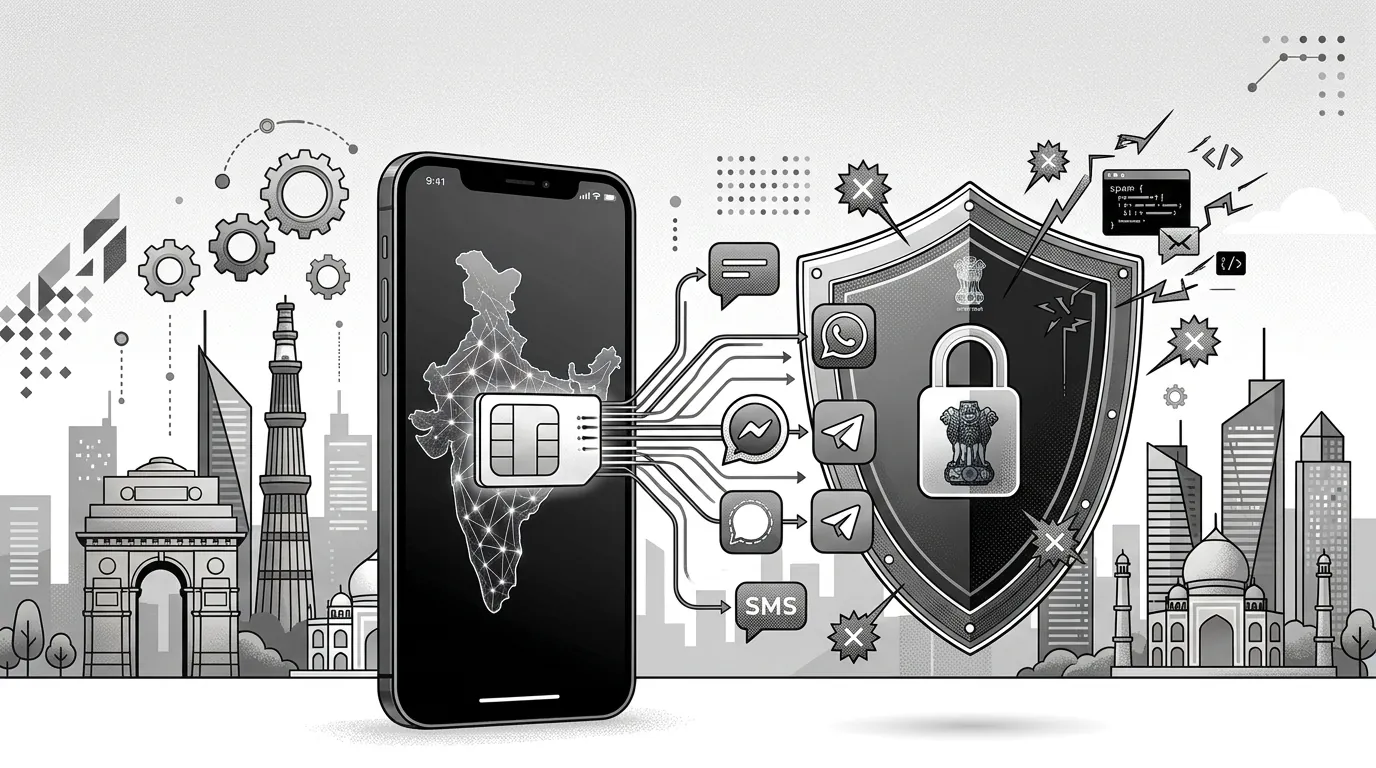
Last year in India, the Department of Telecommunications (DoT) has announced that messaging platforms which were operating in India need to mandate SIM binding in the device within a 90-day timeline and also need to make sure the SIM card which the users are using should have KYC-verified SIMs which are present and active to use the messaging platforms.
For secondary access, if the users are logged on the desktop or tablet, it should auto-logout every six hours as a mandatory one so the users need to re-login again with their messaging applications whether they are using WhatsApp, Telegram, Snapchat, or Signal. And the complaint window has been closed as of 28th of February.
The government said implementing the SIM binding across the messaging applications will stop the fraud that has been happening through the applications and no one can access their messaging applications without their physical SIM, for example, if a scammer is sitting outside of our country and logging into his messaging platform through an OTP he is getting from India that will be prevented.
But the big tech companies are opposing the implementation, they have filed a suit before the deadline ends and they are claiming DoT is only a telecom regulator and it will not control online messaging platforms. And they are also explaining it is very difficult for them to create a new infrastructure that will only work for India.
Some technical analysts are claiming we don’t have any technical or practical evidence to claim this implementation will work and they fear the fraudsters will find a new way to access the messaging platforms or any other platforms they can connect without using the phone numbers, and also it will be very hard for the users who are using their messaging applications in multiple devices. We should wait and see how the implementation will go forward.
