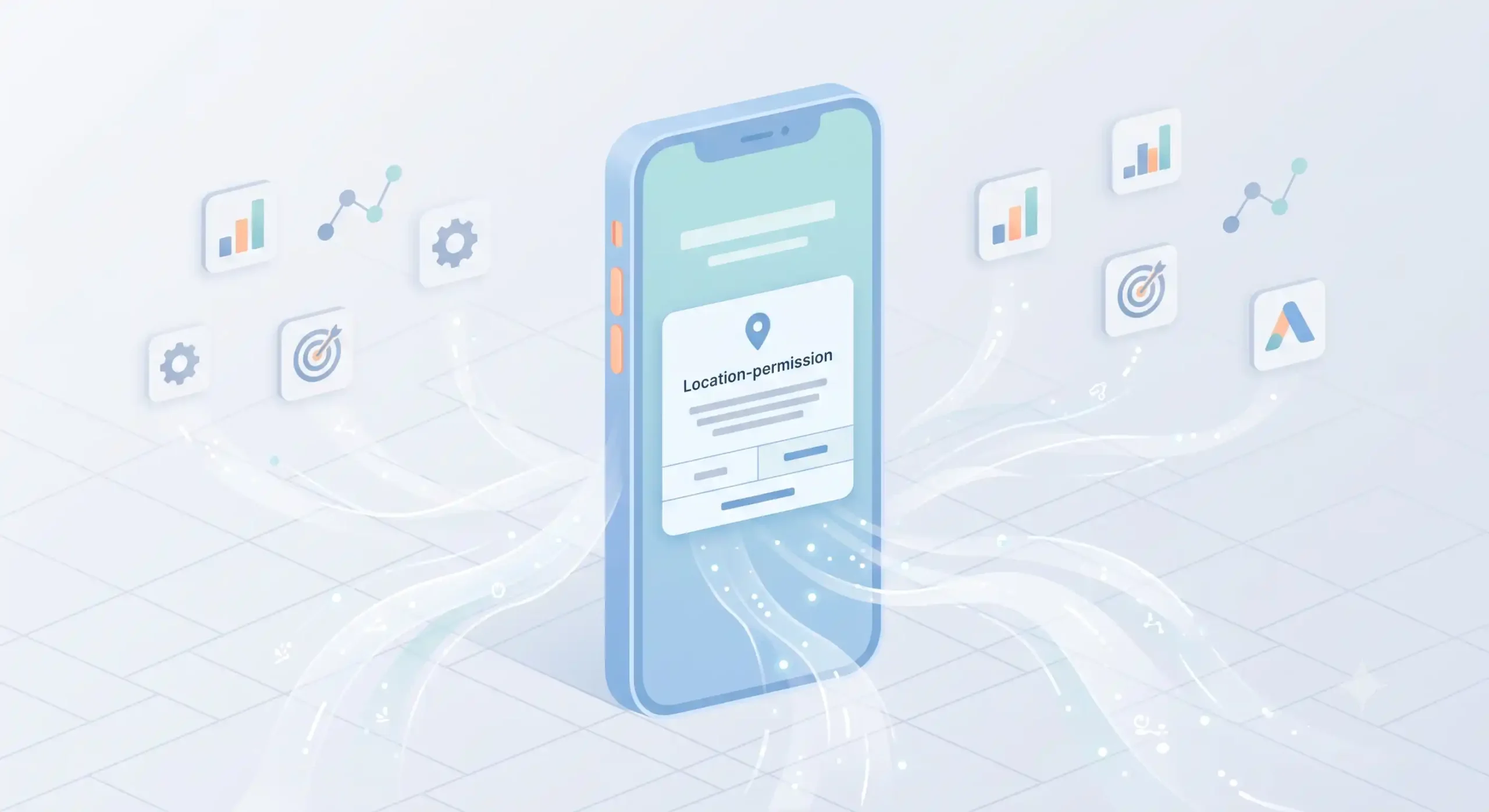
If you have an Android phone, when you are installing some applications, such as a note-taking application or alarm clock application, when you open the application, it will surprisingly ask you for location access. If you are aware, you will not give the location access; sometimes, on the go, we will give it, but we will not think why the simple note-taking application and alarm clock needed my location access.
You may think it has been done by the developers who develop the application, wanting to have our location data and share it with other advertising companies. Some of them do, I would say, but most of the developers who are developing the application may not be aware that their code is inexplicably accessing the users’ location data without their knowledge. The recent finding from the Electronic Frontier Foundation claims that developers are using some third-party websites’ code for tracking of their application — how it is performing, how many users there are. And also some ad company codes were collecting the location info from the users without the knowledge of the developers and the users.
In fact, EFF published a brand new report this week naming names — they found that an advertising SDK called BidMachine was collecting precise location data through two popular apps, QR Scanner and GPS Speedometer, which have been downloaded more than 50 million and 10 million times respectively. Neither app showed a consent notice before sharing that data, and neither app disclosed the location sharing with third parties in their Play Store “Data safety” section — meaning users had no real way of knowing it was happening.
It is because the advertising SDK in Android is, by default, sharing the data with others. If we use the code in our application, it should not be like this, and it should allow users to confirm whether they can share their data or not with their concerns only. And users should also know if some applications are asking for location data, they should confirm on their own whether the location data the application is asking for is necessary or not, before downloading the application or after opening the application for the first time.
You may think it has been done by the developers who develop the application, wanting to have our location data and share it with other advertising companies. Some of them do, I would say, but most of the developers who are developing the application may not be aware that their code is inexplicably accessing the users’ location data without their knowledge. The recent finding from the Electronic Frontier Foundation claims that developers are using some third-party websites’ code for tracking of their application — how it is performing, how many users there are. And also some ad company codes were collecting the location info from the users without the knowledge of the developers and the users.
In fact, EFF published a brand new report this week naming names — they found that an advertising SDK called BidMachine was collecting precise location data through two popular apps, QR Scanner and GPS Speedometer, which have been downloaded more than 50 million and 10 million times respectively. Neither app showed a consent notice before sharing that data, and neither app disclosed the location sharing with third parties in their Play Store “Data safety” section — meaning users had no real way of knowing it was happening.
It is because the advertising SDK in Android is, by default, sharing the data with others. If we use the code in our application, it should not be like this, and it should allow users to confirm whether they can share their data or not with their concerns only. And users should also know if some applications are asking for location data, they should confirm on their own whether the location data the application is asking for is necessary or not, before downloading the application or after opening the application for the first time.